




Big Data in Agriculture Driving Modern Farming Practices
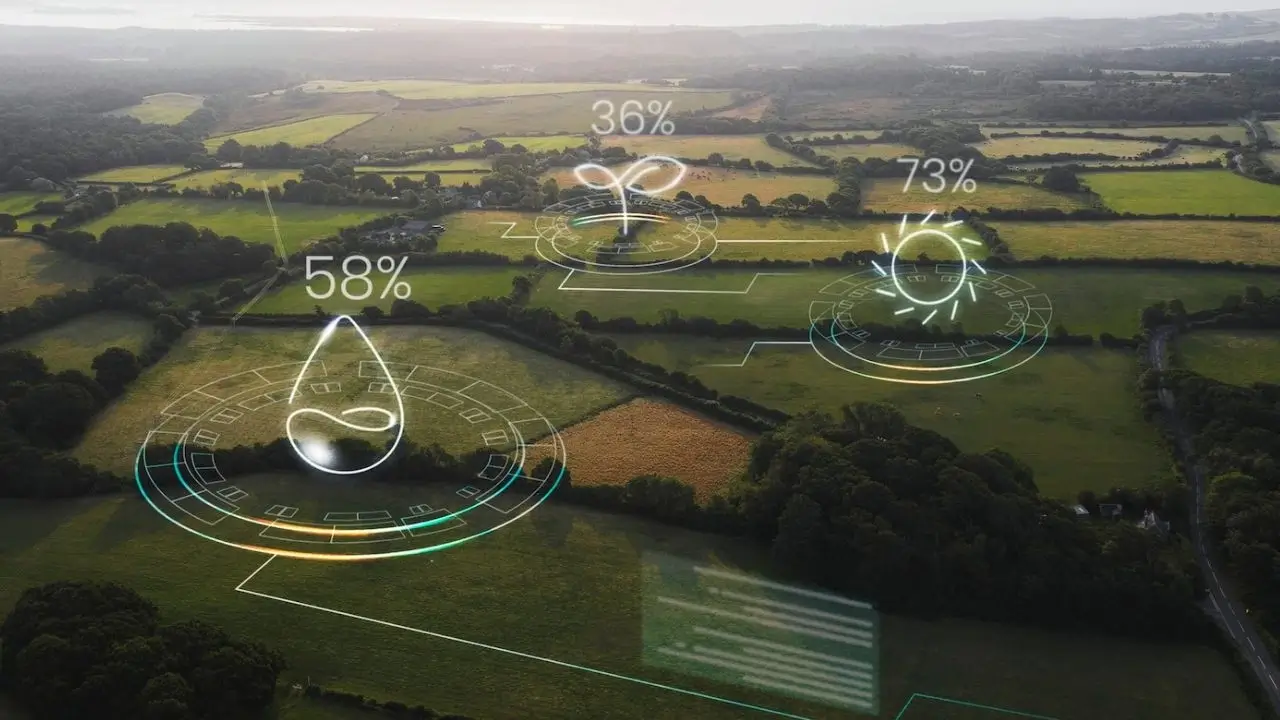
Modern agriculture combines digital tools and field knowledge. Farmers gain a clearer view of crop conditions and production patterns through interconnected systems. These insights transform traditional work into a precise, data-supported process.
Precision Farming and Data Integration
Digital platforms merge satellite observations, soil records, and climate inputs. The combination enables better control over irrigation, nutrition, and pest management. The result is optimized field performance with reduced environmental impact.
Predictive Models for Crop Management
Models built on real-time information help identify stress factors early. They forecast when crops need attention or adjustments. Over time, predictive results become more accurate as farms keep improving and updating their data.
Sustainability and Resource Efficiency
Sustainability depends on tracking how land, energy, and materials are used. Farmers measure consumption, compare patterns, and plan more responsibly. This approach ensures compliance with ecological standards while keeping production stable.
The influence of big data reaches every stage of agricultural decision-making. It supports informed actions, efficiency, and transparency across all production scales.
Data Analysis Transforming Agricultural Analytics and Decision-Making
Every field operation generates information—from soil texture to crop prices. Turning this information into value requires structure and clarity.
Data analysis helps translate complex measurements into actionable insights. It improves accuracy, reduces waste, and supports more confident decision-making on farms.
Experts studying agricultural analytics apply multiple statistical and computational models. These models detect patterns in yield variation, soil fertility, and regional climate shifts.
Decision-makers use analysis to reach measurable goals:
- Efficiency improves as data-based adjustments raise yields and reduce resource consumption.
- Risk management becomes stronger when analytical monitoring detects early signs of weather or pest threats.
- Cost control increases through tracking inputs that reveal inefficiencies and support better financial planning.
- Market adaptation advances as price data aligns production with actual consumer demand.
- Knowledge sharing expands through cooperation that spreads reliable and field-tested farming methods.
Through continuous evaluation, farms build resilience. Consistent data monitoring creates a solid base for future predictions and innovation.
Building Robust Data Infrastructure for Scalable Agricultural Insights
Effective management of agricultural information requires durable systems that can handle growth. A well-designed data infrastructure supports safe storage, sharing, and analysis across organizations.
Networks that connect farmers, sensors, and institutions enable better cooperation. When systems are scalable, they can expand without losing reliability or data accuracy.
Big data analysis depends on stable architecture and efficient data flow. Reliable platforms support cloud-based solutions where different users can access and process shared agricultural information.
To maintain scalability and quality, strong infrastructure should include:
- Secure storage layers that protect sensitive data and ensure compliance with regulations.
- Real-time communication systems linking devices, laboratories, and farms.
- Automated data cleaning tools to remove errors and standardize formats.
- Transparent access controls that define user rights and maintain trust.
Each of these components contributes to the foundation for data analysis in agriculture. Collaboration between technologists and farmers ensures that digital systems serve real field needs rather than abstract models.
As precision farming expands, Switzerland can rely on these systems to strengthen innovation, improve planning, and maintain sustainability. The advancement of technology turns routine agricultural data into meaningful progress.
Digital transformation in farming is about technology, but also about clarity and balance. By aligning information, analytics, and infrastructure, the agricultural sector gains measurable efficiency and resilience. Reliable data systems help Switzerland sustain productivity while respecting environmental boundaries.